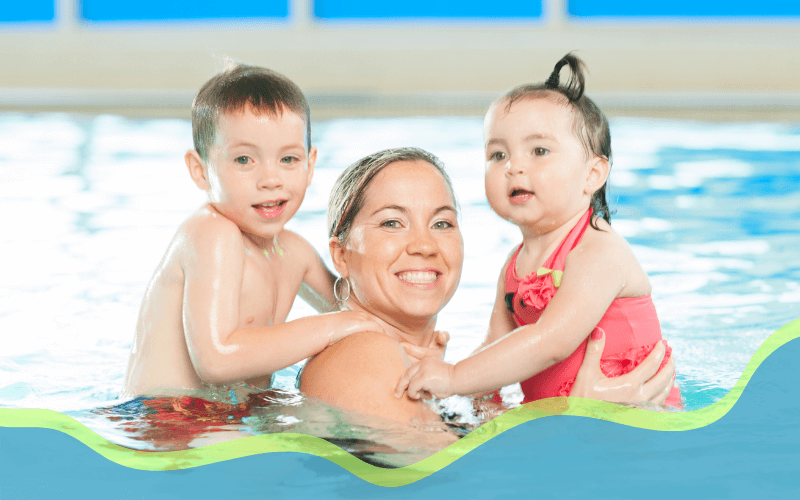
Learning to swim is a significant milestone in a child’s early life, and serves as a foundational life skill that opens up a world of fun and safety.
However, the path to becoming a swimmer is rarely a straight line. Every child reacts differently to the water, and what works for one might lead to tears for another. You might face unexpected hurdles, from sudden bouts of fear to developmental plateaus. These challenges are a natural part of the learning process as your toddler navigates a brand-new environment.
For those interested in teaching their toddler to swim, there are several ways to start ranging from casual play to structured programs.
While options like parent-child classes offer gentle water exposure, they often focus more on comfort rather than building independent aquatic and survival skills. If your goal is to ensure your child has measurable, life-saving skills, Infant Swimming Resource (ISR) stands out as the most effective choice.
Why Should You Teach Your Kid to Swim?
Before we explore the different options available to teach your child to swim, it is helpful to look at why this skill is so incredibly valuable.
Swimming is a foundational life skill that serves as a primary layer of safety whenever your family is near a pool, lake, or beach. By starting early, you help your toddler develop a healthy respect for the water rather than a paralyzing fear of it. This early exposure creates a safe space for them to understand their boundaries while gaining confidence.
The physical advantages of swimming at a young age are also impressive for their growing body, as regular time in the water supports the development of balance, coordination, and overall muscle control. These movements engage the entire body in ways that typical land-based play might not. Over time, you will likely notice your child becoming more aware of their physical capabilities as they learn to navigate the water.
Beyond the physical milestones, swimming offers significant emotional benefits for your toddler. It fosters a sense of independence and self-reliance as they master new skills. The process also provides a unique opportunity for trust building and bonding between your child and their instructor or parent. These shared experiences create a strong emotional foundation that extends far beyond the pool deck.
Additional Reading – When Can Babies Start Swim Lessons
When Can A Toddler Start Swimming Lessons?
Determining the right time to start swimming lessons often depends on your child’s individual emotional and developmental readiness. Generally, Infant Swimming Resource (ISR) classes can begin for children as young as 6 months old.
At this age, babies can begin learning vital self-rescue skills tailored to their physical capabilities. Starting early helps ensure that water safety becomes a natural part of their development before any fear of the water has a chance to set in.
What is the Best Way to Teach Toddlers How to Swim?
Choosing the right swimming method can feel a bit overwhelming since each approach serves a very different purpose. Some families prioritize fun and social interaction, while others focus strictly on safety, survival, and independent aquatic skills . Understanding these differences helps you match a program to your toddler’s personality and your own family’s lifestyle.
Infant Swimming Resource (ISR)
In our opinion, ISR is the best way to teach your toddler how to swim. The reason being, ISR is a specialized, instructor-led program that focuses exclusively on survival-based water skills.
Unlike parent-child classes, it is designed to teach children how to save themselves if they ever reach the water alone. What sets this approach apart is its focus on giving children a functional toolset to handle an emergency rather than just splashing for fun.
- Overview: Brief, intense sessions focusing on survival and self-rescue.
- Environment: One-on-one lessons with a certified instructor in a controlled pool.
- What Your Child Will Learn: Breath control and the “swim-float-swim” sequence.
- Lesson Structure: 10-minute daily lessons to build muscle memory and ensure skill retention without fatigue.
This program is highly recommended for parents who want measurable results and a faster path to water safety. You can expect your child to gain serious, life-saving skills that provide an extra layer of protection and peace of mind.
Additional Reading – How ISR Skills Build a Strong Swimming Foundation
Parent-Child Classes
Parent-child group classes are a popular choice for parents who want to be directly involved in the learning process. They offer a gentle, low-pressure introduction to the pool environment through play and social interaction. The focus here is on creating positive associations with water rather than mastering formal survival techniques and swimming skills.
- Overview: Instructor-led group sessions where parents stay in the water.
- Engagement: Parents participate alongside the toddler during guided songs and games.
- What Your Child Will Learn: Water comfort, supported floating/buoyancy , and kicking.
- Lesson Structure: Weekly 30-minute classes
These classes are ideal if you are looking for a recreational activity that fosters bonding and water acclimation. You can expect a social environment where your child learns to enjoy the water at a relaxed and exploratory pace.
Self-Guided Exposure
A self-guided approach is entirely led by parents during casual time at a home or community pool. This is often the most flexible and least intimidating option for toddlers who might be shy around strangers. It allows you to introduce water concepts at your own pace without any external pressure or set curriculum.
- Overview: Parent-led learning that happens during free swim or home pool time.
- Approach: Skills are taught informally through repetition, play, and daily routine.
- What Your Child Will Learn: General comfort, splashing, and safe entry or exit.
- Lesson Structure: No set schedule; short practice sessions during regular swim time.
This method is best for families who prefer complete flexibility and want to build water familiarity through everyday play. You can expect your child to become more comfortable with the water’s sensation, though progress depends entirely on your personal consistency. However, they only learn as much as you can teach them.
How to Determine Which Option is Best For Your Child
Deciding which path to take depends largely on your family’s specific goals. If you prefer a relaxed environment where your child can explore at their own pace, parent-child or self-guided options offer great flexibility.
However, if your priority is a clear, step-by-step progression of skills, a structured ISR program is much more effective.
When evaluating these choices, consider the following factors:
- Safety Focus: While most lessons emphasize comfort, ISR is specifically designed around survival skills rather than just play.
- Parental Role: You can choose between hands-on participation in group classes or a professional, instructor-led model like ISR.
- Emotional Support: ISR instructors are expertly trained to help toddlers work through hesitation or fear in a very controlled, supportive way.
- Goal: Are you looking to teach your child swimming skills? Or do you just want them to have fun splashing in the water?
For families who want to move past the “splashing” phase and gain true peace of mind, ISR is the most effective choice. It provides tangible, life-saving skills that give you confidence every time your child is near the water.
Helpful Toddler Swimming Tips For Parents
To help make the process smoother for both you and your little one, here are some practical tips to keep in mind as you begin this important life-saving adventure together.
Start in a Controlled Environment
When introducing your toddler to the water, the setting makes all the difference. You want a space that feels predictable and safe, like a bath tub, a heated indoor pool or a shallow, calm area of a familiar swimming spot.
For formal training, ISR lessons take place in a highly controlled pool environment where a certified instructor can focus entirely on your child’s needs. Starting in a stable environment helps minimize distractions and prevents your child from becoming overwhelmed by cold temperatures or loud noises
Early Exposure is Recommended
The sooner a child becomes familiar with the water, the more natural the environment will feel to them as they grow.
Experts often suggest that early exposure is key to preventing deep-seated fears later in life. By starting as early as 6 months, children can begin to develop a healthy respect for the water and learn foundational safety skills before they reach the more “defiant” toddler years.
The benefits of starting early include:
- Acclimation: Early exposure helps the water feel like a normal part of life rather than a scary novelty.
- Skill Retention: Younger children often adapt to the “swim-float-swim” method more quickly because they haven’t developed bad habits.
Keep it Fun and Stress-Free
While safety is the ultimate goal, the process of getting there should be as positive as possible. If a child senses that a parent is anxious, they are more likely to feel uneasy themselves. Incorporating play, songs, and gentle encouragement helps keep the atmosphere light, especially during exploratory sessions.
Even in structured programs like ISR, instructors are trained to handle hesitation with patience, ensuring the child feels supported throughout the process. Keeping the experience stress-free encourages your toddler to stay curious and engaged with their lessons.
Wear Appropriate Swimwear
The right gear is about more than just looking cute, it is about safety and functionality. For toddlers who are not yet potty trained, a high-quality, reusable swim diaper is often required by most professional swim schools to maintain pool hygiene.
Some things to keep in mind when selecting swimwear include:
- Fit: Ensure swimwear is snug so it doesn’t snag or cause drag in the water.
- Visibility: Brightly colored suits, such as neon orange or pink, make it much easier to spot a child underwater compared to blue or green.
- Warmth: In cooler pools, a thermal swim shirt can help your child stay comfortable and focused for longer periods.
Learn the Rules of the Pool
Pool safety begins even before your child enters the water. Teaching your toddler basic pool deck rules helps them understand that the water is a place that requires respect and attention. Simple instructions, such as “no running” and “wait for an adult,” should be reinforced every single time you visit a pool. Consistency is the best way to help these rules stick.
By establishing these boundaries early, you create a culture of safety that your child will carry with them as they become more independent swimmers.
Always Keep an Eye on Your Child
No amount of training or skill can ever replace active adult supervision. Even if your child has mastered self-rescue techniques, you must remain vigilant whenever they are near any body of water. This means staying within arm’s reach and avoiding distractions like phones or books.
Water safety is a multi-layered approach that includes fences, alarms, and supervision, but the most critical layer is your undivided attention. Constant eyes-on-child supervision is the most effective way to prevent accidents and ensure a safe, fun experience for everyone.
Work with a Certified ISR Instructor
If you want your child to gain specific, survival-based skills, working with a professional is the best path forward. Certified ISR instructors undergo rigorous training to understand the unique physical and psychological needs of infants and toddlers.
They provide one-on-one attention that group classes simply cannot offer, tailoring every 10-minute session to your child’s progress.
Get Your Toddler Started With ISR Swim Lessons
Teaching a toddler to swim is always about safety first and confidence second, with vital skills that are intentionally built over time.
While the idea of starting ISR lessons might feel a bit intimidating at first, the process is designed to be supportive for the whole family.
What truly sets ISR apart is its structured, survival-focused approach that consistently delivers proven outcomes. By choosing this method, you are providing your child with a specialized set of skills designed for real-world water safety.There is no better time than now to prioritize your child’s safety and well-being. So take the next step today by scheduling your child’s first ISR lesson and watch them grow into a confident, capable swimmer.
Leave a Reply
You must be logged in to post a comment.