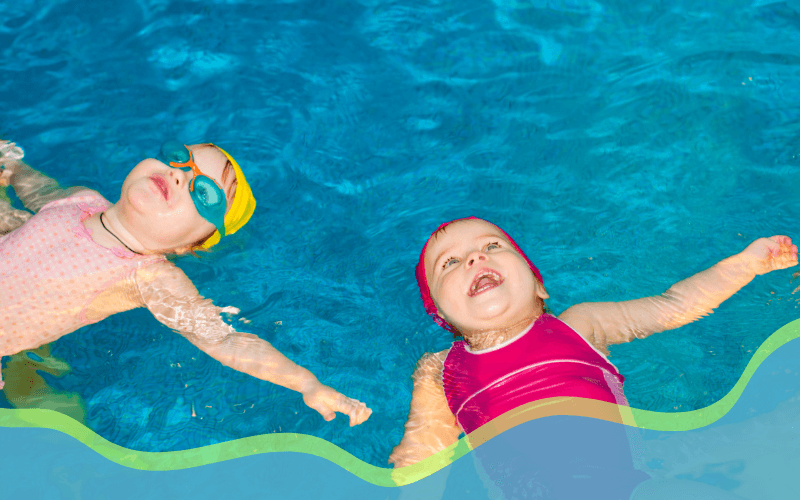
Starting ISR (Infant Swimming Resource) lessons is a significant step toward ensuring your child’s safety around water. However, you can begin preparing your child for safe pool time even before the first ISR lesson. Here are some practical steps parents can take at home to help their infants and small children get comfortable with water and start practicing safe pool habits.
1. Create a Positive Association with Water
Bath Time Fun:
- Use bath time as an opportunity to introduce your child to water in a safe and controlled environment. Allow them to splash, play with toys, and get comfortable with the sensation of water on their skin.
Sing and Play:
- Sing songs and play gentle water games during bath time to create a positive and enjoyable experience. This can help reduce any fear or anxiety they may have about water.
2. Teach Basic Water Safety Rules
Set Clear Rules:
- Establish simple rules such as “never go near water without an adult” and “no running near the pool.” Reinforce these rules regularly so they become second nature to your child.
Model Safe Behavior:
- Demonstrate safe behaviors, such as walking slowly near the pool and entering the water feet first. Children often mimic their parents, so modeling safe practices is crucial.
3. Encourage Comfort with Water on the Face
Gentle Water Exposure:
- During bath time, gently pour water over your child’s head and face, encouraging them to close their eyes and hold their breath. This helps them get used to the feeling of water on their face, a key component of ISR lessons.
- Control their breath and become comfortable with their face being submerged.
4. Practice Floating
Back Floating:
- With your support, help your child practice floating on their back in the bathtub. Hold them securely under their shoulders and gently encourage them to relax and float. This can build confidence and provide a foundation for the floating skills taught in ISR lessons.
5. Reinforce Listening Skills
Following Instructions:
- ISR lessons require children to follow instructions carefully. Practice simple commands and instructions at home to develop your child’s listening skills. Games like “Simon Says” can be both fun and instructional.
6. Water Safety Education for Parents
Learn CPR:
- Take a CPR course if you haven’t already. Knowing how to respond in an emergency is a vital skill for any parent.
Water Safety Resources:
- Educate yourself about water safety by reading articles, watching videos, and consulting resources from reputable organizations like the American Red Cross and ISR.
7. Create a Safe Home Environment
Secure Pool Area:
- If you have a pool at home, ensure it is securely fenced with a self-closing, self-latching gate. Remove any toys from the pool area when not in use to prevent children from being tempted to enter the water unsupervised.
Establish Safety Zones:
- Designate safe areas where children can play away from the pool. Use safety gates and barriers to keep curious toddlers from wandering into the pool area.
8. Gradual Water Introduction
Wading Pools:
- If possible, use a wading pool to let your child experience water in a shallow, less intimidating setting. Always supervise closely and use this time to practice safe water habits.
Short, Frequent Sessions:
- Allow your child to have short but frequent interactions with water. This consistent exposure helps build familiarity and comfort.
Conclusion
Preparing your child for ISR lessons at home sets the stage for a successful and enjoyable learning experience. By creating a positive association with water, teaching basic safety rules, and practicing fundamental skills, you can help your child develop the confidence and comfort they need for safe pool time. Remember, your involvement and consistent reinforcement of safe practices are key to your child’s success in the water. Start these practices today and give your child a head start in their journey to becoming water-safe.
Leave a Reply
You must be logged in to post a comment.